Showing posts with label aromatherapy. Show all posts

Tuesday, October 25, 2011

Chocolate Mousse From Head to Toe

The cool weather is thankfully returning to our little corner of Gaia. After 6 months of a record long, record hot summer, that melted all it could, ALOF can now safely resume shipping our wildly popular Whipped Shea Butter Chocolate Body Mousse!

This all natural, richly decadent, non-greasy skin food includes the finest Fair Trade Unrefined Shea Butter, Raw Organic Cocoa Butter, Fresh Pressed Local Red Raspberry Seed Oil & French Cocoa Absolute.

A little goes a long way and this combination is particularly fabulous for keeping healthy skin moisturized and get dry, cracked skin rejuvenated. It can also be used as a moisturizing hair pomade and deep conditioner.

Click here to order now!

Sunday, October 16, 2011

Scented Jack O'Lanterns and Spicy Squash


As we count down the days and nights to All Hallows Eve I am happy to share one of my favorite annual "scentual" seasonal crafts!

Scented Jack O'Lanterns & Spicy Squash:

My Jack O'Lanterns not only look seasonal, but smell seasonal too! Having a pleasant, warm and luscious scented jack-o-lantern is easier than making pumpkin pie! This is also applicable for any kind of squash or melon you may be using as a Jack O'Lantern, not just pumpkins.

First I have to say that I have learned not to cut the TOP out of the
pumpkin to carve a Jack O'Lantern ... cut the pumpkin open from the
BOTTOM of what will be your face area and then you will never have the
top cave in from decay and they last longer .... I personally love the Jack
O'Lanterns with the stem as the nose :)

that being said ......

Simply score the inside top or cap of your pumpkin with a knife and then
rub the inside top portion of the pumpkin with a mixture of vegetable oil (any kind), pumpkin pie spice blend and a blend of essential oils - I like to use allspice, cinnamon, clove, ginger and nutmeg.

As the candle warms the inside of your pumpkin it'll release the aroma.
I am thinking of making a clove and may chang (litsea) scented pumpkin to repel the tricking not treating mosquitoes here in my part of TX.

Tuesday, May 10, 2011

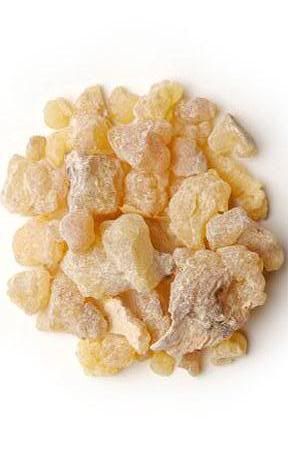
Certified Organic Frankincense Hydrosol


ULTRA FRESH! Frankincense Carterii Hydrosol - Certified Organic and Artisan Distilled in the USA.

Makes a beautiful linen spray and room perfume. Helps promote a calming and spiritual energy in any space.

For personal use, author, Suzanne Catty sites Frankincense Hydrosol as quite beneficial for those ailing from infections of the mouth and/or gums; gargle or rinse after brushing.

It also functions as a gentle skin toner, particularly suited to those in humid climates and with mature skin; has anti-aging properties.

Limited Quantities Available!
Click Here To Order

Saturday, May 7, 2011

Essential Mother’s Day Feast


Essential Mother’s Day Feast

This month we celebrate Mom and all that she has given us. If nothing else, she gave us life, what we chose to do with it from there is our own business. In return for that wonderful opportunity, making a scrumptious feast is a very nice gesture that everyone gets to enjoy.

Let us get right down to the recipes as this is a feast for 4 that will take some advanced preparation time:

Baby Greens Salad With Warm Basil Vinaigrette

Baby Greens Salad

4 cups loosely packed baby greens salad mix

1 cup croutons

1-2 oz crumbled Feta Cheese

Toss all ingredients well. Drizzle lightly with Warm Basil Vinaigrette

Warm Basil Vinaigrette

2 Tbsp finely diced shallots

1 cup Basil Flavored Olive Oil* (recipe follows)

¼ cup Red or White Wine Vinegar

Salt and Pepper to taste

Warm olive oil slightly over low heat. In a shaker bottle or in a bowl with a whisk blend all dressing ingredients well. Drizzle over salad as desired

* Basil Flavored Olive Oil - To every 50 ml of Extra Virgin Olive Oil add 2-3 drops (your taste preference) of Basil Essential Oil

Herb Marinated Roast Leg Of Lamb

1 - 5 Lb Spring Leg of Lamb

1 Head Garlic, peeled, cloves sliced thin lengthwise

1/8 Cup Mint Leaves

Several Tbsp. Salt to taste

1 Tbsp Sugar

1 Tbsp Rosemary Leaves - crushed

1/8 tsp Crushed Red Pepper

1/2 cup Rosemary Flavored Olive Oil (recipe follows)

Sweet Red Wine

Make numerous slits in the meat, stuffing each with a slice of garlic. Combine mint leaves, salt, sugar, rosemary leaves and crushed red pepper. Rub into meat well. Drizzle the flavored oil over the herb crusted lamb rubbing gently. Place in roasting pan. Pouring the wine over the top of the meat, add enough wine to cover the bottom on the pan. Cover and refrigerate for at least 4 hours, preferably overnight.

Heat oven to 500 F. Sear meat in pan with wine about 6-7 minutes on each side. Add water to pan to fill about half way. Lower the oven temperature to 375 F. Roast meat about 30 minutes per lb (or until internal cooking temperature reaches 180F) for medium doneness. Baste occasionally. Let roast sit for about 20 minutes before carving.

To make gravy skim fat off of pan juices, add ¼ cup red wine used to marinate meat. Bring to a boil and add ¼ of water with 1 Tbsp cornstarch dissolved into it. Stir until thick. Remove from heat immediately.

Serve over a bed of cooked rice, smothering it in gravy.

* Rosemary Flavored Olive Oil - To every 50 ml of Extra Virgin Olive Oil add 2-3 drops (your taste preference) of Rosemary Essential Oil

Orange Fudge Truffles

12 oz Dark Chocolate broken into pieces

¼ cup heavy cream

2 tbsp Grand Marnier

Orange Cocoa Powder* (Recipe follows)

Place broken chocolate and Grand Marnier in a work bowl. Carefully heat the heavy cream, bringing just to a boil. As soon as it begins to boil remove from heat (be careful as boiling milk expands and can overflow.) Pour hot cream over chocolate/liqueur blend and cover, allowing hot cream to melt chocolate.

After several minutes of sitting the chocolate should be fully melted. Whisk mixture until very smooth. Mixture will thicken quickly. Chill mixture for 2 hours. This is called a Ganache.

Use a melon ball to scoop out small balls of the Ganache. Using hands well dusted with cocoa powder roll balls in orange cocoa powder to coat. Do not handle truffles for too long as the Ganache will get soft quickly from the heat of your hands. That is undesirable as the truffle will not hold its round shape well. Place truffles on a clean orange cocoa powder coated cookie sheet. Chill until firm.

*Orange Cocoa Powder

To every 1 cup of coca powder add 1-2 drops (your taste preference) Orange Essential Oil and blend well.

When used wisely and sparingly, certain Essential Oils and Hydrosols make wonderful food flavorings. When using Essential Oils and Hydrosols for cooking always be sure you have genuine, unadulterated products. Also avoid solvent extracted products. When using citrus oils always be sure the fruit source used to make the oil was grown without pesticides.

by Christine Ziegler - © 2002

Thursday, April 28, 2011

Oregano Oil & Lung Cancer In Rats


Archived from my Oils Herbs Etc Yahoo List and posted with the permission of original author - Butch Owen, making him ALOF's guest blogger of the day.


Origanum onites and Lung Cancer in Rats

Hi y'all,

A number of folks have asked me about the portion of the lecture I gave
in September 1999, at the Canadian Aromatherapy Conference in Toronto ..
pertaining to the use of Essential Oil of Oregano (Origanum onites) to
cure lung cancer in rats.

What I presented was the results of research conducted at the Aromatic
and Medicinal Plant and Drug Research Center, Anadolu University,
Eskisehir, Turkey. This research was a scientifically controlled
experiment. Professor Dr. K. Husnu Can Baser and 4 other prominent
professors (one a medical doctor) conducted all phases.

A series of lab tests were conducted, after a period of time, it was
determined that there was justification to do animal testing, so twelve
adult Wistar albino rats of both sexes were acquired.

The test was to determine the inhibitory effects of carvacrol on DMBA
induced pulmonary tumorigenesis in rats.

Cancer was induced in the lungs of each of the rats. The lungs of all
of the rats developed tumor like dark red and brown spots.

The first group received no treatment, The second group was treated
with the standard antitumor agent, Colchicine and NaCl. The third group
was treated with Carvacrol from the Essential Oil of Origanum onites L.,
in a base of neutral sterile olive oil.

By six days, all the first group of rats had died and one of the rats
in the second group had died. The remaining rats were put to sleep and
the lung tissue was examined with a microscope and photographed.

The second group has considerable evidence of slowing tumor development.
In the third group (the group treated with carvacrol) there was evidence
of complete loss of tumor development. In fact, tumorial activity had
ceased and the lung tissue was repairing itself.

The study concluded that carvacrol possessed antitumor activities on
lungs induced by DMBA, and determined that FURTHER STUDY is required.

As I said during the lecture, this is not a recommendation .. just a
brief of details on this study ... it is known to many in the scientific
community and has been published both in Turkey and in Europe.

I have the colored micro-slides .. they are quite clear. I had planned
to present it again at the NAHA conference in June 2002, but as many of
you know .. I later declined to participate in that conference or any
other NAHA conference until that organization cleans itself up, becomes
to be concerned about their members instead of their own pockets, fun,
travel and games and begins to operate in accordance with applicable IRS
laws and their own constitution and bylaws.

In any case .. studies like this reminds me that the FDA will accept
that something is a carcinogen based on studies with rats, but curing a
rats gets a comment that rats aren't humans. I agree with them but it
sets the stage for assuming lack of credibility of in vivo testing.

Its my opinion that many of the cures of man's ills will be found and
used in third world or emerging countries because the researchers there
are generally less likely to have been compromised by the mega-buck
pharmaceutical companies. If a university is offered $5 million to do
research to prove what a pharmaceutical company wants proven on a new
patent or prescription drug, odds are research such as that conducted by
these professors will not be made .. and we know that such research is
NOT in the best interests of the pharmaceutical companies because they
cannot get a patent on a natural product..

The leader of that group, Professor Doctor K. Husnu Can Baser, then
Director of the Center and the Dean of the Pharmacy Faculty at the
university, has done some other work that is just as exciting - and
continues to do even more now! Lucky it is that at the time of this
study, Anadolu University had not been compromised .. yet.

So - even though I said it doesn't mean a thing for humans - I still use
my Origanum when I need it.

Oh yea .. I asked Professor Baser why he chose Origanum onites instead
of a different type. He chuckled and said it was because that was the
one he had handy at the time. ;-)

Y'all keep smiling, Butch

Monday, March 7, 2011

Lime Light Grilling

As the day wanes and twilight approaches, I'm about to grill up some chicken and corn seasoned with my new "Lime Light" flavored salt - a blend of unrefined sea salts, white and pink peppercorns, paprkia, chili powder & parsley, accompanied by the essential oils of lime zest and thai lime leaves .. add a salad and we have supper time numminess!

All of my local "taste testers" have been giving rave reviews for the seasoned salts, which means they will be available on the web-site soon!

Saturday, March 5, 2011

Celebrating Progress!


I am feeling good! I have created a woman owned & operated company that has been self financed, in biz for over a decade & all of our items are manufactured in The United States of America down to the 100% post consumer recycled bottles that are thrown away by Americans, made into new bottles by Americans and then refilled by Americans!

I've been creating jobs in America, and around the globe for 12+ years now! :)


A Little Ol'Factory
CZ Luxe

Friday, February 18, 2011

Catnip Repels Mosquitoes More Effectively Than DEET


News release from the American Chemical Society: Catnip Essential Oil Proven Better
Than Deet At Repelling Mosquitoes

"Catnip Repels Mosquitoes More Effectively Than DEET"

CHICAGO, August 27, 2001 — Researchers report that nepetalactone, the essential oil in catnip that gives the plant its characteristic odor, is about ten times more effective at repelling mosquitoes than DEET — the compound used in most commercial insect repellents.

The finding was reported today at the 222nd national meeting of the American Chemical Society, the world’s largest scientific society, by the same Iowa State University research group that two years ago discovered that catnip also repels cockroaches.

Entomologist Chris Peterson, Ph.D., with Joel Coats, Ph.D., chair of the university’s entomology department, led the effort to test catnip’s ability to repel mosquitoes. Peterson, a former post-doctoral research associate at the school, is now with the U.S. Department of Agriculture Forest Service, Wood Products Insects Research Unit, in Starkville, Miss.

While they used so-called yellow fever mosquitoes (Aedes aegypti) — one of several species of mosquitoes found in the United States — Peterson says catnip should work against all types of mosquitoes.

Aedes aegypti, which can carry the yellow fever virus from one host to another, is found in most parts of the United States. Yellow fever itself, however, only occurs in Africa and South America, according to the Centers for Disease Control. Vaccines and mosquito control programs have essentially wiped out the disease in the United States, although there have been isolated reports of unvaccinated travelers returning with the disease. The last reported outbreak in this country was in 1905.

Peterson put groups of 20 mosquitoes in a two-foot glass tube, half of which was treated with nepetalactone. After 10 minutes, only an average of 20 percent — about four mosquitoes — remained on the side of the tube treated with a high dose (1.0 percent) of the oil. In the low-dose test (0.1 percent) with nepetalactone, an average of 25 percent — five mosquitoes — stayed on the treated side. The same tests with DEET (diethyl-m-toluamide) resulted in approximately 40 percent to 45 percent — eight-nine mosquitoes — remaining on the treated side.

In the laboratory, repellency is measured on a scale ranging from +100 percent, considered highly repellent, to –100 percent, considered a strong attractant. A compound with a +100 percent repellency rating would repel all mosquitoes, while –100 percent would attract them all.
A rating of zero means half of the insects would stay on the treated side and half on the untreated side. In Peterson’s tests, catnip ranged from +49 percent to +59 percent at high doses, and +39 percent to +53 percent at low doses. By comparison, at the same doses, DEET’s repellency was only about +10 percent in this bioassay, he notes.

Peterson says nepetalactone is about 10 times more effective than DEET because it takes about one-tenth as much nepetalactone as DEET to have the same effect.

Most commercial insect repellents contain about 5 percent to 25 percent DEET. Presumably, much less catnip oil would be needed in a formulation to have the same level of repellency as a DEET-based repellent.

Why catnip repels mosquitoes is still a mystery, says Peterson. “It might simply be acting as an irritant or they don’t like the smell. But nobody really knows why insect repellents work.”

No animal or human tests are yet scheduled for nepetalactone, although Peterson is hopeful that will take place in the future.

If subsequent testing shows nepetalactone is safe for people, Peterson thinks it would not be too difficult to commercialize it as an insect repellent. Extracting nepetalactone oil from catnip is fairly easily, he says. “Any high school science lab would have the equipment to distill this, and on the industrial scale it’s quite easy.”

Catnip is a perennial herb belonging to the mint family and grows wild in most parts of the United States, although it also is cultivated for commercial use. Catnip is native to Europe and was introduced to this country in the late 18th century. It is primarily known for the stimulating effect it has on cats, although some people use the leaves in tea, as a meat tenderizer and even as a folk treatment for fevers, colds, cramps and migraines.

A patent application for the use of catnip compounds as insect repellents was submitted last year by the Iowa State University Research Foundation. Funding for the research was from the Iowa Agriculture Experiment Station.

Chris Peterson, Ph.D., is a former post-doctoral research associate at Iowa State University in Ames, Iowa, and is now a Research Entomologist with the U.S. Department of Agriculture Forest Service, Wood Products Insect Research Service, in Starkville, Miss.

Joel R. Coats, Ph.D., is professor of entomology and toxicology and Chair of the Department of Entomology at Iowa State University in Ames, Iowa."

Note: This story has been adapted from a news release issued by The American Chemical Society for journalists and other members of the public. If you wish to quote from any part of this story, please credit The American Chemical Society as the original source.

Thursday, February 17, 2011

Candles with Essential Oils Kill Bacteria


New study from the University of South Hampton: Candles with Essential Oils Kill Bacteria

Researchers Dr Lindsey Gaunt and Sabrina Higgins from the University of Southampton have found that adding essential oils, such as eucalyptus, orange, litsea and thyme to candles can destroy bacteria, such as Escherichia coli (E. coli) and Staphylococcus aureus (staph) on surfaces. The findings that adding essential oils to candles could be as effective as scrubbing with disinfectants were unveiled at the sixth joint symposium of the International Electrostatics Society of Japan and the Electrostatics Society of America conference in Tokyo (Nov 7-10, 2004).

The scientists used essential oils of orange, palmarosa, may chang, thyme, and an element of tea tree oil called beta-pinene, which when dispersed into the air and combined with the ions produced in the candle flame, all have a powerful bactericidal effect.

This unique combination of essential oils and electrical ions has demonstrated a remarkably powerful bactericidal action, with up to nearly 100 per cent bacteria kill.

For comparison, the researchers also tested plain wax candles without essential oils and evaporated essential oils in water on a hot plate. In contrast with the essential oil containing candles, the plain wax candle had no effect on bacteria, and vapor created by the essential oil alone also had little to no impact on the surface bacteria.

The candle flame and essential oil components appear to work together for a sterilizing effect, say the researchers. The researchers believe that the oils react with ions in the wick and with oxygen to take on anti-bacterial properties.

They said adding these essential oils to candles could help people to easily and conveniently kill bacteria lurking in their homes.

The researchers are planning further studies to see if essential oil laden candles are effective against the super bug MRSA among other strains of bacteria.

Note: This story has been adapted from a news release issued by the University of South Hampton for journalists and other members of the public. If you wish to see the news releases see The University of South Hampton as the original source.

Tuesday, February 15, 2011

Essential Oils could help stop the spread of the deadly MRSA bacteria


Many moons ago I had this valuable information on my web site, but it has since been streamlined, and now I am archiving it here on the blog ..


Research findings from The University of Manchester:Essential Oils could help stop the spread of the deadly MRSA bacteria

21 Dec, 2004 - According to research carried out at The University of Manchester, essential oils have been found to kill the deadly MRSA bacteria.

Researchers tested 40 essential oils against ten of the most deadly bacteria and fungi. Three essential oils (which have not been disclosed) used in the tests killed MRSA and E. coli as well as many other bacteria and fungi within just two minutes of contact. Two of these oils killed MRSA and E. coli almost instantly, while a third was shown to act over a longer period of time, meaning that any soaps or shampoos made with a blend of these three oils would be effective over a period of time.

As aromatherapists and natural toiletry makers well know, the oils can easily be blended and made into items such as soaps, shampoos, lotions, etc ... which could be used by hospital staff, doctors and patients alike in an effort to eradicate the spread of these deadly `super bugs', which are becoming increasingly resistant to conventional means.

Jacqui Stringer who is Clinical Lead of Complementary Therapies at the Christie Hospital instigated the research. Jacqui works with leukemia patients at the Christie Hospital using essential oils to help in their treatment. Patients receiving treatment for cancer and leukemia are often left with weakened immune systems which makes them vulnerable to infection from MRSA. 'The reason essential oils are so effective is because they are made up of a complex mixture of chemical compounds which the MRSA and other super bug bacteria finds difficult to resist. The problem with current treatments is that they are made of single compounds which MRSA relatively quickly becomes resistant to, so treatment is only successful in around 50% of cases.'

'While a wide range of products currently exist to help prevent the spread of MRSA these are often unpleasant for patients as their application can cause skin irritation. MRSA is often carried inside the nose which means that patients often have to insert treatments up their nostrils, whereas these essential oils can simply be inhaled to prevent the patient being at risk,' added Jacqui.

Researchers are now desperately looking for funding to develop their work and carry out a clinical trial. Peter Warn from the University's Faculty of Medicine who worked on the research said: 'We believe that our discovery could revolutionise the fight to combat MRSA and other `super bugs', but we need to carry out a trial and to do that we need a small amount of funding ' around £30,000.

'We are having problems finding this funding because essential oils cannot be patented as they are naturally occurring, so few drug companies are interested in our work as they do not see it as commercially viable. Obviously, we find this very frustrating as we believe our findings could help to stamp out MRSA and save lives,' added Peter, who is based at Hope Hospital.

Note: This story has been adapted from a news release issued by The University of Manchester for journalists and other members of the public. If you wish to see the news releases see The University of Manchester as the original source.

Sunday, February 13, 2011

Oregano Oil may protect against drug resistant bacteria

The below press release is certainly not new news, but it is also not widely known information, so I'm spreading the word about that wonderful big bad bug fighter .. carvacrol type oregano essential oil. One of my personal EO staples!


Georgetown University Medical Center: Oregano Oil may protect against drug resistant bacteria

October 6, 2001 Press Release: Washington, D.C. — Oil from the common herb oregano may be an effective treatment against dangerous, and sometimes drug resistant bacteria, a Georgetown researcher has found. Two studies have shown that oregano oil — and, in particular, carvacrol, one of oregano's chemical components — appear to reduce infection as effectively as traditional antibiotics. These findings will be presented at the American College of Nutrition's annual meeting October 6 and 7 in Orlando, Fla.

Harry G. Preuss, MD, MACN, CNS, professor of physiology and biophysics, and his research team, tested oregano oil on staphylococcus bacteria— which is responsible for a variety of severe infections and is becoming increasingly resistant to many antibiotics. They combined oregano oil with the bacteria in a test tube, and compared oregano oil's effects to those of standard antibiotics streptomycin, penicillin and vacnomycin. The oregano oil at relatively low doses was found to inhibit the growth of staphylococcus bacteria in the test tubes as effectively as the standard antibiotics did.

Another aspect of the study examined the efficacy of oregano oil and carvacrol, which is believed to be the major antibacterial component of oregano, in 18 mice infected with the staph bacteria.

Six of the mice received oregano oil for 30 days, and 50% of this group survived the 30-day treatment. Six received the carvacrol in olive oil, not oregano oil, and none survived longer than 21 days. Six mice received olive oil alone with no active agents (the control group) and all died within three days. A repeat study corroborated these findings, which demonstrates that there are components of oregano oil other than carvacrol that have antibiotic properties.

"While this investigation was performed only in test tubes and on a small number of mice, the preliminary results are promising and warrant further study," Preuss said. "The ability of oils from various spices to kill infectious organisms has been recognized since antiquity. Natural oils may turn out to be valuable adjuvants or even replacements for many anti-germicidals under a variety of conditions."

Georgetown University Medical Center includes the nationally ranked School of Medicine, School of Nursing and Health Studies, and a biomedical research enterprise. For more information, please visit http://www.georgetown.edu/gumc.

4000 Reservoir Road NW Building D Suite 120 Washington DC 20007 202 687-5100 telephone 202 687-5213 facsimile http://www.georgetown.edu/gumc

Friday, January 14, 2011

Body Mind Spirit Massage

ALOF and CZ Luxe Artisan Pampering Products are now available directly from Body Mind Spirit Massage in Houston TX.

Call 281-300-4576, ask for Bel, and make an appointment to receive the best therapeutic massages in town! She does everything from Sports, Deep Tissue and Aromatherapy Massages to Maternity and Infant Massage! Styles are global - Thai, Balinese, Hawaiian, Swedish, etc ..

Take me away to exotic places while I just relax and don't have to go anywhere! :)

Ms. Bel also provides Massage Therapy Instruction and a variety of Continuing Education Classes.

Thursday, December 9, 2010

Scented Pinecones

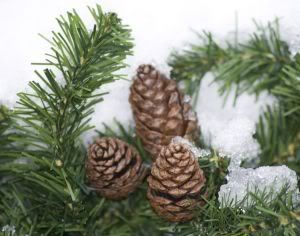
With most of the United States experiencing a cold snap (even southern Florida!), and the holidays coming fast, I figured I'd pull out my easy old scented pine cones recipe. This is a simple and fun way to scent the air and the hearth! Great to do with kids too.

Ingredients:
Pine cones
Essential oil blend of choice;
I like cinnamon, nutmeg, allspice, clove, black pepper & ginger ..

Optional: basic white glue, cinnamon powder, fine glitter

Have fun gathering pine cones of all shapes and sizes. Rinse pine cones under warm water. Then lay the pine cones on a lined cookie sheet and bake on the warm setting (or 200F) until the pine cones open up.

Into a small sprayer bottle place some water and several drops of your chosen essential oil scent blend. Spray the pine cones until they are damp. Then place the scented pine cones into a paper bag and seal for 24 hours. This will let the scent seep into the cones while letting the water evaporate.

Optional: In a small bowl mix a ratio of about 3 parts glue to 1 part water. Use a brush to apply some thinned glue to the pine cones. Mix cinnamon powder and glitter in a baggie. Add pine cones to the shimmery mix. Shake. Allow to dry overnight in a paper baggie.

These make wonderful holiday decorations in baskets, as part of wreaths, etc. They can also be tossed into the fireplace to add a scented highlight to your fire!

Saturday, November 27, 2010

Modern Day Silk Road

As I pack an order that is shipping out to Switzerland I am thankful for the global opportunities the internet has provided small businesses like mine!

Thanks to that technological advance which brought mail order to a whole new level we have customers in over 65 countries; able to visit our shop on the world wide web any time of day or night from any place they have access to the internet.

And to think, this modern day Silk Road, providing access to endless bazaars of goods and services, can be explored and perused without even having to leave one's caravan serai! Truly amazing how over the millennium trading technologies have turned a big planet into a small world.

Tuesday, October 5, 2010

Blossoming Pineapple & Olive Clay Mask


Pineapple & Olive Clay Mask

Pineapple contains protein digestive enzymes and fruit acids that help
remove dead skin cells and dirt, as well as leaving skin smooth and
soft. It has anti-inflammatory properties and is mildly astringent.

Olive oil has vitamin E which is very nourishing to the skin, and it has other wonderful healing properties.

The occasional use of clays such as kaolin, green clay
or betonite can be very good for drawing dirt and toxins
out of the skin.

Combined they make a wonderful mask for the face and the rest of the
body - it is a super treat if you can get someone to give you a body
wrap with it.

This mask is simple to make and deliciously effective -and it smells
yummy too! ... I hope you enjoy my little "spa recipe" as much as I do.

Recipe:

In a food processor puree about 1/2 cup of pineapple, 2 Tbsp of neroli hydrosol (use rose hydrosol if your skin is dry or sensitive) add 2-3 Tbsp olive oil, add a few Tbsp of clay - starting with 2 Tbsp and adding more as you blend to get it to the paste consistency you'd like. Spread over skin, massaging gently and leave on for about 15-20 minutes (it will not fully dry - it'll be kinda sticky). Rinse with warm water. Pat dry. Tone skin with a spritz of rose or neroli hydrosol. Enjoy having baby soft skin :)

This recipe will make enough to do a face and some body parts - or a
couple of facials. You can freeze the leftovers to use later that week.
It might change color slightly, but the enzyme activity will still be
effective, as freezing slows enzyme activity but does not stop it, and
once warm again the enzymes will return to being fully active.Do not
re-freeze after thawing.

Monday, September 6, 2010

Hold The Triclosan, Please


A little over 2 years ago I blogged about the potential dangers of Triclosan's use in liquid soaps and other household products. Today I've once again stumbled across an article that brought it to the forefront of my mind. There are many findings which show it has an overall negative effect when it comes out of the hospital and is used wide scale by the general public. These not so good effects include but are not limited to aiding the development of drug resistant "super bugs" and causing environmental and wildlife damage.

Despite these facts, the usage of Triclosan in products on the mass market level has actually increased by 40% over the past 2 years! Items such as "Anti-bacterial" toiletries, cutting boards with "Microban", and clothes with "Biofresh" all contain Triclosan; another toxic chemical now ending up in water systems in larger quantities than ever before. Going down the drain does not render it inert or safe.

We at ALOF believe it is unnecessary to add to this issue by using any soaps and other toiletries containing Triclosan. The 100% Olive Oil Liquid Castile Soap that we make is the same soap that we use to wash our bodies, our children and our homes every day. Varieties of the soap which contain essential oils such as Tea Tree and Lavender not only smell pleasant but the aromatics are proven to have antiseptic benefits. Cleaning confidently, efficiently and effectively can add a gentle pleasure to life, without creating "superbugs" and poisoning our waters!

Saturday, September 4, 2010

Art for Animals

S.A.V.E. animal rescue is holding its first ever art auction to raise much-needed funds for their non-profit, grassroots mission to save animals from harm and suffering.

ALOF and its CEO/Founder Christine Ziegler is proud to be one of more than a dozen fabulous artists who have donated their work!

If you are an artist who would like to donate a piece of work please contact them: Savepetny@aol.com or by phone 212-989-3456

This event will take place on December 3, 2010
7:00pm - 9:00pm at:
The Lerner Auditorium @ The LGBT Center
208 West 13th Street (Between 7th and 8th Ave)
New York, NY

Other contributing artists include: Kelly Haigh, Nina Friday, Ric Frane, Joanna Ebenstein, Lou (Art & Ghosts), Scott Cohn, Joel Peter Witkin and many more!

So many animals need our help -- Please help us help them!

------------
ABOUT S.A.V.E.
------------
S.A.V.E Animal Rescue, is a non- profit, all volunteer run animal rescue. Our mission is to rescue homeless and abandoned animals.

We do not have a shelter facility. Rescued animals reside in veterinary offices, boarding facilities or foster homes until we are able to adopt them into the loving homes they need and deserve.

S.A.V.E additionally helps various communities by educating and advising people on proper animal care, assisting with spaying and neutering, and providing TNR services for feral cats.

We rely on the kindness and generosity of our supporters & animal lovers alike who open their hearts & homes through donation, fostering, sponsoring & adopting.

www.saveanimalrescue.org

Tuesday, August 31, 2010

Rose Hydrosol - TCM and more

I was recently enjoying time with a colleague of mine who is a TCM (Traditional Chinese Medicine) practitioner as well as dabbler in general herbs, aromatherapy, and cooking. Eventually the topic of rose and rose hydrosol came up between us and it became a fabulous exchange of ideas, recipes and experiences.

* Add about 1-2 tablespoons (or to taste) of rose hydrosol to a half quart of water (or sparkling water). This makes for a hydrating calorie free spritzer with a twist that also is a gentle liver/spleen/stomach tonic!

* Put that same twisted rose hydrosol in a fine mist spray bottle and have a refreshing moisturizer that combats summer heat, winter cold and generally drying climate control systems.

* Add a tablespoon (or to taste) of rose hydrosol to a batch of sugar cookie dough or vanilla cupcake frosting for an international style gourmet treat the kids will love!

* As a feminine rinse for arousal add 1 -2 tablespoons of rose hydrosol to a cup of lukewarm water and cleanse.

Well ladies and gentlemen, that concludes today's aromatically arousing discussion. Hopefully you will join the ALOF Blog again! :)

CLICK HERE to buy rare and precious Certified Organic White Rose Hydrosol today!

Thursday, October 15, 2009

Scented Jack O'Lanterns & Spicy Squash


As we count down the days and nights to All Hallows Eve I am happy to share one of my favorite annual "scentual" seasonal crafts!

Scented Jack O'Lanterns & Spicy Squash:

My Jack O'Lanterns not only look seasonal, but smell seasonal too! Having a pleasant, warm and luscious scented jack-o-lantern is easier than making pumpkin pie! This is also applicable for any kind of squash or melon you may be using as a Jack O'Lantern, not just pumpkins.

First I have to say that I have learned not to cut the TOP out of the
pumpkin to carve a Jack O'Lantern ... cut the pumpkin open from the
BOTTOM of what will be your face area and then you will never have the
top cave in from decay and they last longer .... I personally love the Jack
O'Lanterns with the stem as the nose :)

that being said ......

Simply score the inside top or cap of your pumpkin with a knife and then
rub the inside top portion of the pumpkin with a mixture of vegetable oil (any kind), pumpkin pie spice blend and a blend of essential oils - I like to use allspice, cinnamon, clove, ginger and nutmeg.

As the candle warms the inside of your pumpkin it'll release the aroma.
I am thinking of making a clove and citronella scented pumpkin to repel the trick or treating mosquitoes here in my part of TX.